Maximum competition
Hard bid may fit when drawings are complete, scope is coordinated, and the owner can qualify bids, qualify contractors, level scope, and manage friction.
Construction is not only bought by price. It is bought through a delivery system.
RADIX helps clients choose the delivery system that matches their goal.
That system determines when the contractor gets involved, how complete the drawings are before construction starts, how much attention the project receives, how risk is handled, how decisions are made, and where the money flows.
Some systems reward competition. Some reward collaboration. Some create transparency. Some create friction. Some require a high level of owner competency. Some bring construction intelligence into the process early.
That is why RADIX talks about delivery systems before talking about price. The question is not only: What is the number? The better question is: How do you want to buy your construction?
Competition can produce strong pricing when the documents are complete, the scope is coordinated, and every contractor is pricing the same project.
But competition does not complete the documents. It does not resolve design gaps. It does not align the budget. It does not test execution strategy. It does not create collaboration between the design team and the people who have to build the work.
That distinction matters. If the client's goal is the cleanest scope, the highest cost certainty, the best execution strategy, and the fewest downstream surprises, the project needs a delivery system that gives it more attention, not less.
A client cannot buy the lowest-attention process and expect the highest-attention outcome.
There is no single right way to buy construction. There is only the right delivery system for the client's goal.
Some clients want maximum competition. Some want maximum collaboration. Some want speed. Some want the lowest initial procurement cost. Some want the most complete drawings possible before construction starts. Some want open-book cost visibility. Some need help because they do not have internal construction competency. Those are different goals. They require different systems.
RADIX helps clients answer those questions before the incentives are already in motion.
Hard bid can work well in the right conditions.
It is best suited for clients with complete drawings, coordinated specifications, clearly defined scope, repeat-project experience, and the competency to qualify bids, qualify contractors, and level scope.
For sophisticated clients, hard bid can create strong competitive pricing. Every contractor is pricing the same information. Scope can be leveled. Alternates can be compared. The owner can make a decision based on a defined project and a competitive market. That is when hard bid works.
The risk starts when hard bid is used before the project is complete enough to compete fairly.
Hard bid is the lowest-attention delivery system. That is not a criticism. It is the structure of the process. The contractor has not been selected. The relationship is not established. The estimating work is unpaid. Only one bidder will be awarded the job. The incentive is to get the job, not to perfect the project.
Hard bid rewards the bid day number. It does not directly reward owner protection, better documents, value creation, execution strategy, or fewer downstream surprises.
If the owner cannot qualify the bids, qualify the contractors, and level the scope, but chooses hard bid anyway, hope becomes the plan. And hope is not a plan.
If hope is the plan, hard bid may not be the right delivery system.Talk to RADIX Before You Bid
RADIX pre-construction creates options. It does not trap the client.
Pre-construction is a higher-attention process for clients who want better scope, better budget alignment, better documents, better execution strategy, fewer surprises, and more control before major money is committed.
It is not just early estimating. Pre-construction is the process of helping the owner, architect, engineers, contractor, and key subcontractors make better decisions before those decisions become expensive.
When RADIX is involved early, the project can be shaped around real construction information. Scope can be clarified. Budget assumptions can be tested. Design decisions can be priced. Execution strategy can be reviewed. Schedule constraints can be identified. Subcontractor feedback can be brought into the process before the drawings are complete.
Instead of waiting until bid day to discover that the drawings, budget, and execution strategy do not match, pre-construction solves those problems while they are still solvable.
Our job is to help the client get the project ready the right way. If RADIX earns the build, we are ready. If the client chooses another path, they still move forward with a clearer scope, better documents, and a stronger basis for making the right decision.
RADIX pre-construction creates options. It does not trap the client.Learn more about pre-construction
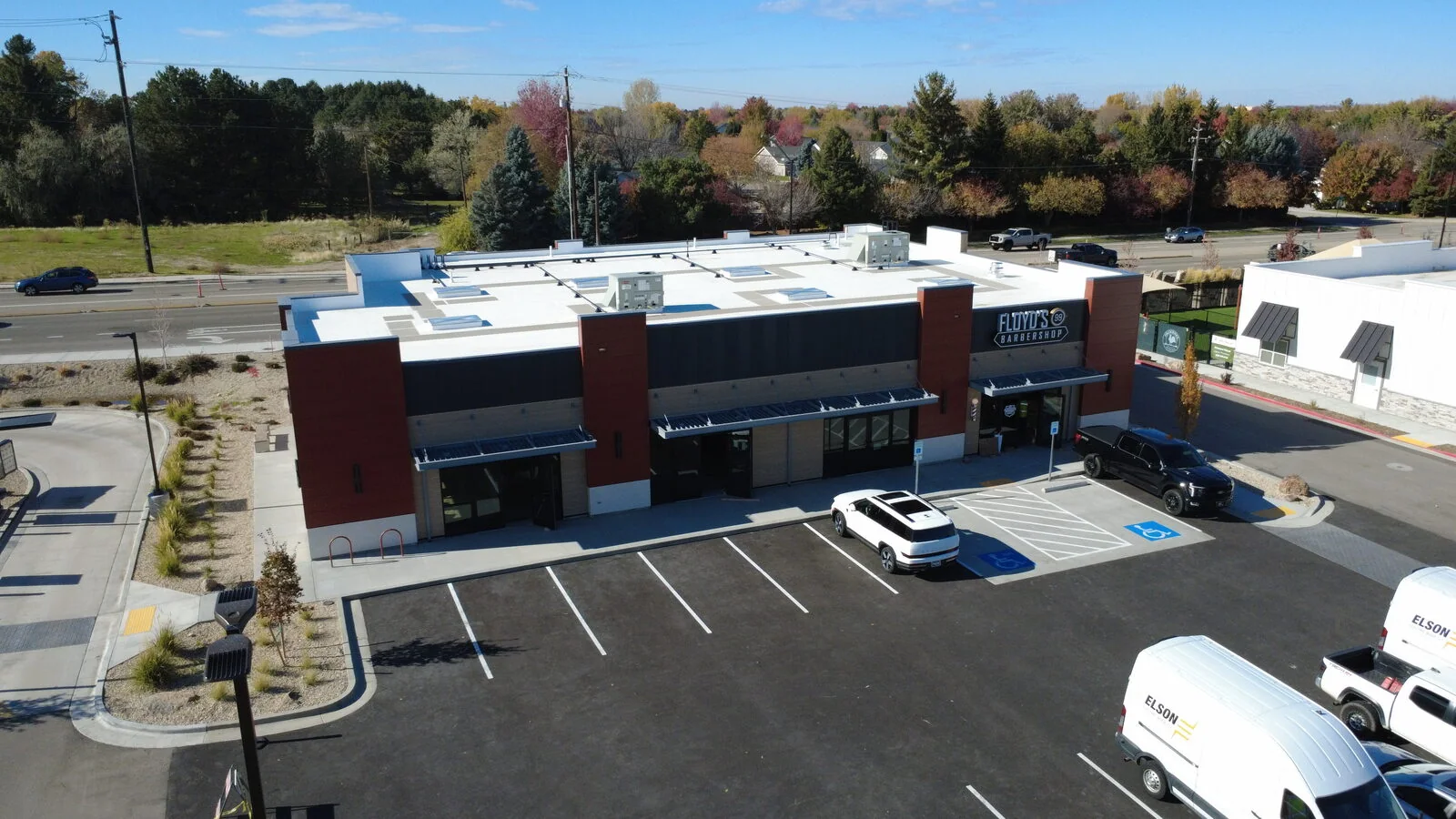
Design is not only about what gets built. It is also about how it gets built.
RADIX believes construction should make life better for design teams, not harder. Architects, engineers, and consultants are asked to create buildings that meet the client's goals, but they often do not have live, accurate construction pricing available while the design is being developed. RADIX does.
In design-assist and design-build delivery, RADIX works with the owner and design team while the project is still being shaped. Cost, scope, constructibility, schedule, sequencing, procurement, and execution strategy can be evaluated while decisions are still being made.
Sometimes the best construction solution changes the design strategy. Sometimes it changes the design entirely. That is not a failure of design. That is the value of bringing design and construction together early.
When drawings are unclear, budgets are disconnected from design, or execution strategy is ignored, the field is forced to absorb problems that should have been solved earlier. Owners lose time and money. Design teams get pulled into rework. Subcontractors get pushed into disrupted work they did not price, plan, or staff for.
Subcontractors bid production construction. They do not bid chaos.
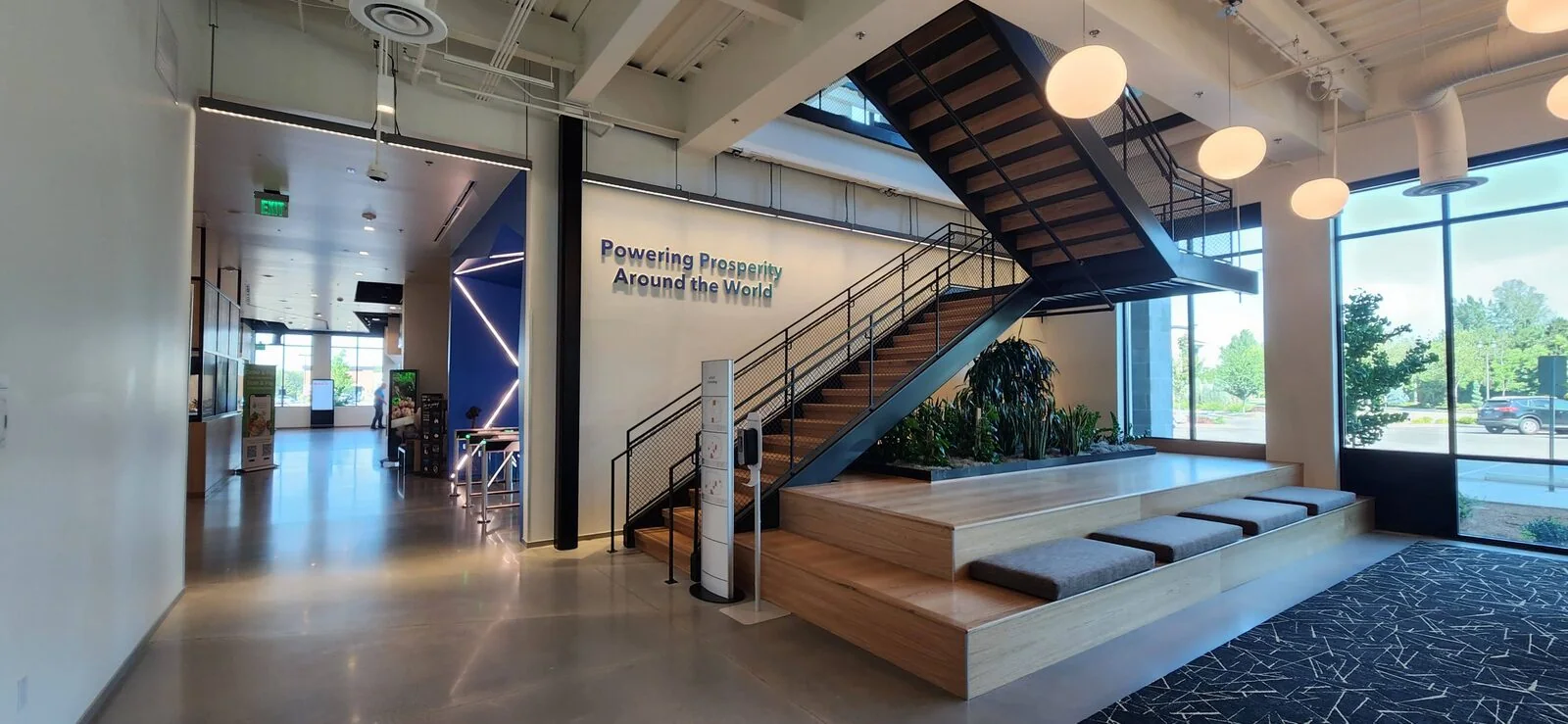
Construction strategy and pricing should inform the design before downstream teams are forced to absorb upstream chaos.Learn more about design-build
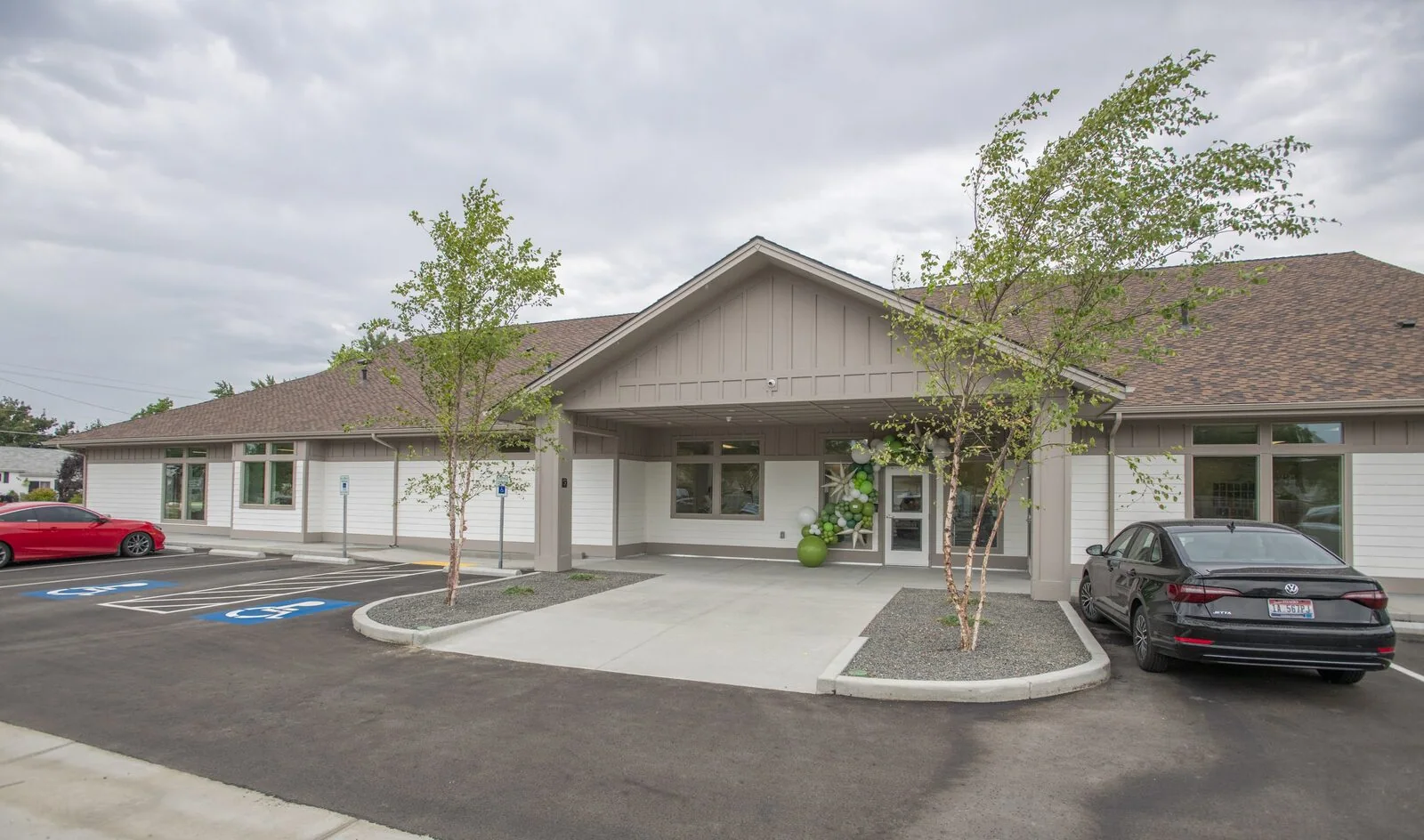
Competition rewards the bid day number. Collaboration rewards the project outcome.
Delivery systems generally fall into two categories: competition and collaboration.
In a hard-bid environment, the owner receives a price. In an open-book or negotiated process, the owner can see how the price is built: cost of work, subcontractor pricing, general conditions, fee, allowances, contingencies, savings opportunities, and risk.
That visibility changes the conversation. The project is no longer only about a final number. It becomes a discussion about scope, value, risk, schedule, execution strategy, subcontractor participation, and where the client's money is actually going.
Open-book and negotiated delivery are not limited to the relationship between the client and general contractor. The same strategy can be applied downstream with subcontractors. When key subcontractors are brought into the process earlier, they can provide better pricing, better scope feedback, better constructibility input, and better execution planning.
Subcontractors price the information they are given. If the information is incomplete, their pricing will carry risk, miss scope, or rely on assumptions. If the process gives them clearer scope, better documents, direct access to the strategy, and a reason to participate deeply, their pricing becomes more complete.
The delivery method controls incentives. The contract controls behavior. The money follows the structure.
Competition rewards the bid day number. Collaboration rewards the project outcome.

Some owners do not need a contractor to start building yet. They need construction intelligence.
They need someone who can help them understand scope, budget, schedule, execution strategy, delivery method, contractor qualifications, bid risk, and where the money may flow before they commit to a path.
This matters because construction delivery can quietly shift responsibility to the owner. If the owner signs one agreement with the architect and a separate agreement with the general contractor, the owner may become the mediator between design and construction. When the project is not organized under one aligned process, each party is often forced to protect its own portion instead of protecting the project.
The architect may need to defend the drawings. The general contractor may point back to the documents. The subcontractors may protect their scope, exclusions, sequence, and pricing assumptions. Everyone is protecting their portion. The project is not necessarily being protected. That leaves the owner in the middle.
Construction management and owner support help close that gap. RADIX can help owners evaluate the project before major commitments are made, including early scope review, preliminary budgeting, delivery system guidance, contractor qualification, schedule review, constructibility input, execution planning, and risk review.
The purpose is not to create another layer of complexity. The purpose is to give the owner the competency the project requires.
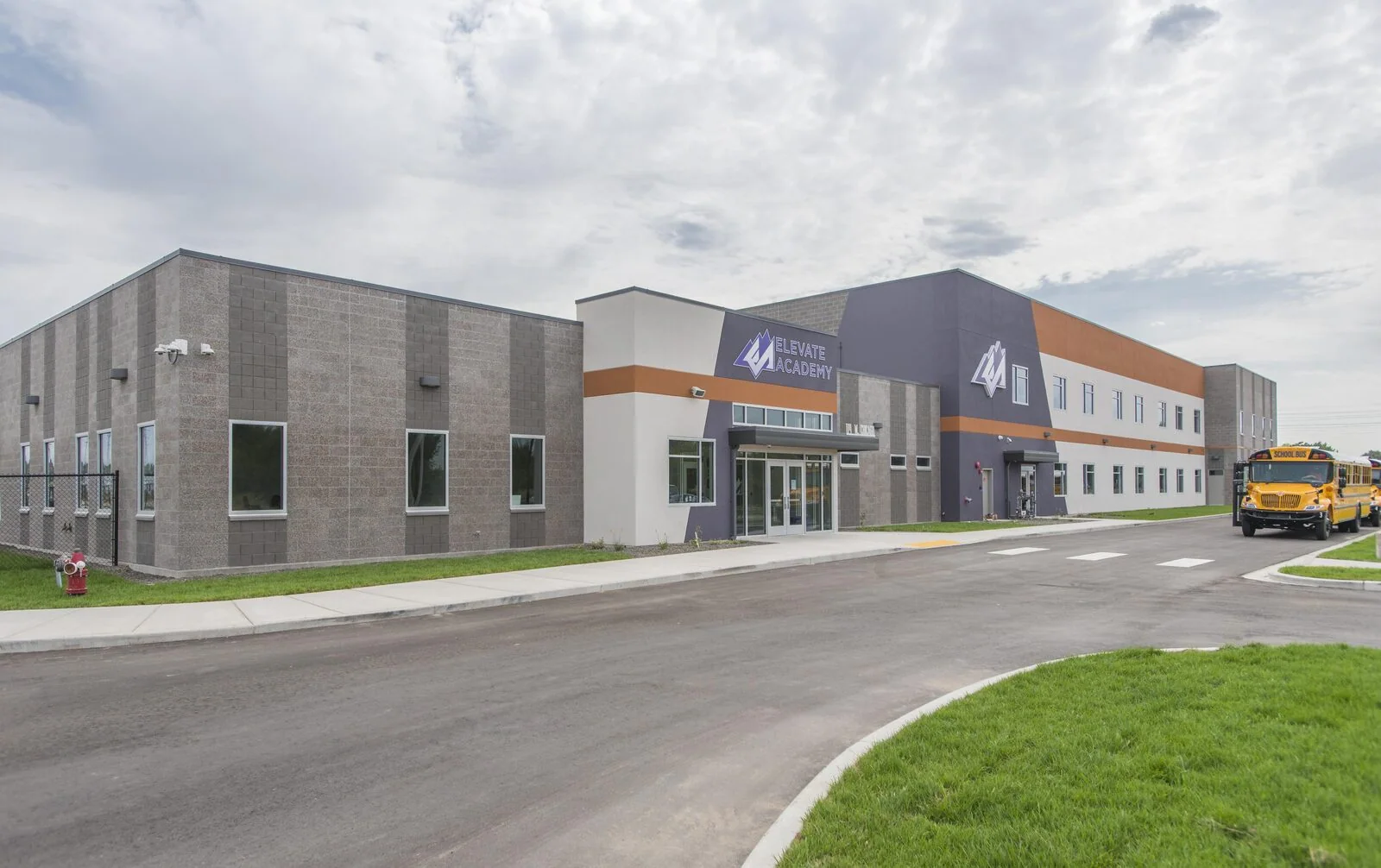
When everyone is protecting their portion, no one is protecting the project.
Hard bid may fit when drawings are complete, scope is coordinated, and the owner can qualify bids, qualify contractors, level scope, and manage friction.
Pre-construction may fit when the client wants to clarify scope, test budget, price design decisions, evaluate execution strategy, and reduce surprises.
Design-assist or design-build may fit when construction strategy and pricing should inform the design before downstream teams absorb upstream chaos.
Open-book or negotiated delivery may fit when the client wants visibility into cost, fee, allowances, contingencies, subcontractor pricing, savings opportunities, and money flow.
Construction management or owner support may fit when the client needs help evaluating scope, budget, schedule, delivery method, contractor qualifications, bid risk, or execution strategy.
RADIX does not believe every project should be delivered the same way.
The right process depends on the client's goal, the client's competency, the desired level of collaboration, the need for cost certainty, the amount of friction the client is willing to manage, and where the client wants the money to flow.
The decision should be made intentionally. Because once the delivery system is selected, the incentives are already in motion.
If you are planning a project and are not sure how to buy your construction, start with RADIX. We will help you understand the options, the risks, the incentives, and the process that best supports your goal.